
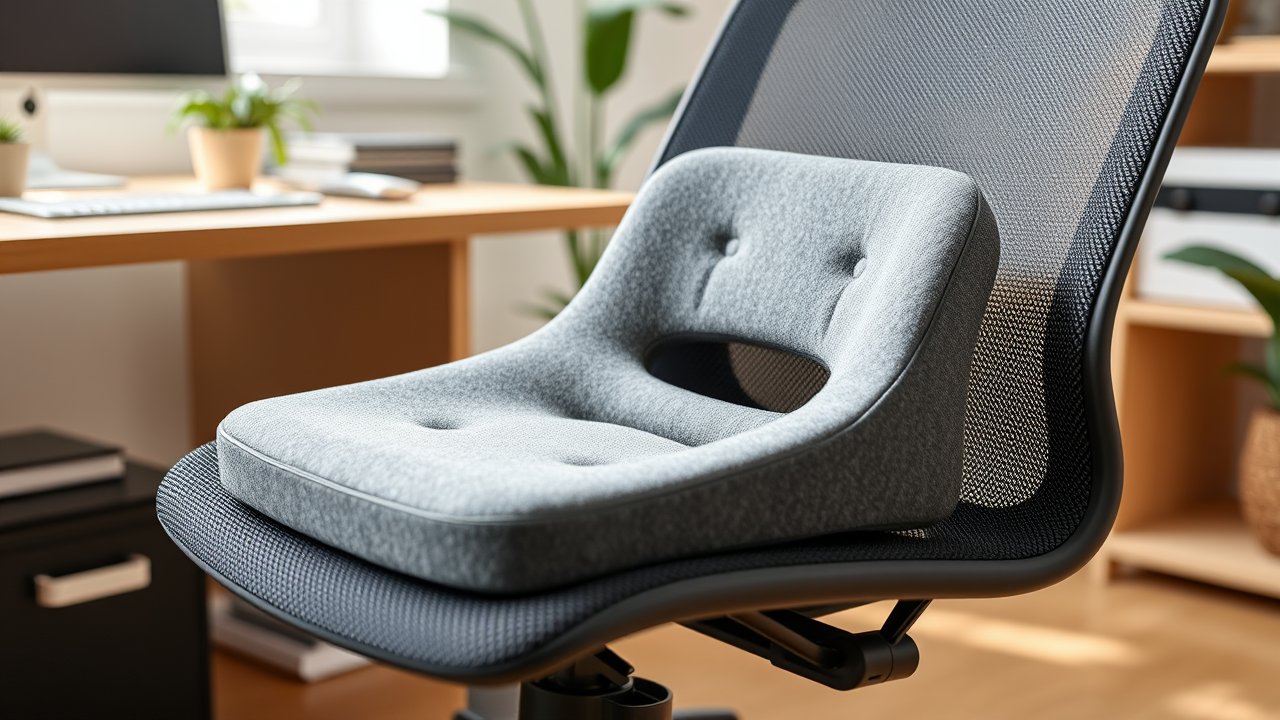
A new ergonomic chair can cost hundreds of dollars, but sometimes the real problem is just the seat. Thin, flattened, or overly firm seat padding creates pressure on your tailbone and sit bones, and after a few hours you start shifting, slouching, or perching on the edge. A quality seat cushion is one of the cheapest ways to make an existing chair more comfortable. Finding the best seat cushion for office chair use means matching the right material and shape to your body and your chair – a coccyx cutout for tailbone pain, gel for heat, or extra-firm foam for heavier users. In this guide, we compare six well-reviewed cushions and explain exactly how to choose the right one, so you can sit longer without the aches.
As an Amazon Associate, I earn from qualifying purchases. This article contains affiliate links at no extra cost to you.
Quick Comparison Table
| Product | Price | Best For | Rating |
|---|---|---|---|
| Everlasting Comfort Seat Cushion | ~$35 | Best overall | ⭐⭐⭐⭐⭐ |
| Cushion Lab Pressure Relief Cushion | ~$70 | Best premium | ⭐⭐⭐⭐⭐ |
| ComfiLife Gel Enhanced Cushion | ~$40 | Best cooling gel | ⭐⭐⭐⭐ |
| Purple Royal Seat Cushion | ~$100+ | Best grid design | ⭐⭐⭐⭐ |
| Coccyx Cutout Cushion | ~$30 | Best for tailbone pain | ⭐⭐⭐⭐ |
| Extra-Firm Large Cushion | ~$45 | Best for heavier users | ⭐⭐⭐⭐ |
Prices are approximate at the time of writing and may vary. Check Amazon for the current price.
Our Top Picks at a Glance
The Everlasting Comfort Seat Cushion is our top pick thanks to its supportive memory foam, U-shaped coccyx cutout, and strong value. If you want the most refined option, the Cushion Lab Pressure Relief Cushion offers excellent contouring for sit bones and hips. If you run hot, the ComfiLife Gel Enhanced Cushion adds a cooling gel layer to reduce heat buildup.
Reviews – The Best Seat Cushion for Office Chair Comfort
1. Everlasting Comfort Seat Cushion – Best Overall
The Everlasting Comfort cushion is one of the most popular seat cushions on Amazon, and for good reason. It uses dense memory foam that contours to your body without bottoming out, and a U-shaped cutout at the back relieves pressure on the tailbone. The ergonomic shape includes a gentle slope that helps keep your hips level and supports better posture.
It comes with a removable, machine-washable cover and a non-slip bottom that keeps it from sliding on most chairs. Many reviewers say it noticeably reduced their discomfort within days. It’s a strong fit for standard office chairs, gaming chairs, and even car seats on long drives.
Pros:
– Supportive memory foam
– Coccyx cutout reduces tailbone pressure
– Washable cover and non-slip base
– Great value
Cons:
– Adds 2–3 inches to seat height
– Foam can feel firm in a cold room
– May be too thick for chairs with deep bolsters
2. Cushion Lab Pressure Relief Cushion – Best Premium
Cushion Lab designs its cushions with ergonomic shaping that focuses on sit bones, hips, and the tailbone. The Pressure Relief Cushion uses high-density memory foam with a contoured shape that distributes weight evenly and keeps it from flattening quickly.
It’s more expensive than mass-market cushions, but users frequently note that it keeps its shape for longer and provides more consistent support throughout the day. The cover is breathable and washable.
Pros:
– Excellent contouring and support
– Durable high-density foam
– Breathable cover
– Premium build quality
Cons:
– More expensive
– Firm feel may not suit everyone
– Adds height to your chair
3. ComfiLife Gel Enhanced Cushion – Best Cooling Gel
Memory foam can trap heat, especially during long work sessions. The ComfiLife Gel Enhanced Cushion combines memory foam with a layer of cooling gel to reduce heat buildup. It also includes a coccyx cutout and a non-slip bottom.
It’s a great option if you work in a warm room or tend to feel sweaty after sitting for long periods.
Pros:
– Cooling gel layer
– Coccyx cutout
– Non-slip bottom
– Washable cover
Cons:
– Gel cooling effect is modest
– Slightly heavier
– May compress faster for heavier users
4. Purple Royal Seat Cushion – Best Grid Design
Purple uses a hyper-elastic polymer grid instead of foam. The grid collapses under pressure points and supports everywhere else, which can feel very different from memory foam. It’s breathable, so it stays cooler, and it doesn’t flatten the way foam does.
The Royal is Purple’s largest seat cushion and works well for longer sitting sessions. It’s expensive, but its durability and breathability make it a popular upgrade for people who sit all day.
Pros:
– Breathable grid stays cool
– Excellent pressure relief
– Doesn’t flatten like foam
– Durable
Cons:
– Expensive
– Feel takes getting used to
– Bulkier
5. Coccyx Cutout Cushion – Best for Tailbone Pain
If tailbone pain is your main problem, a cushion with a deep coccyx cutout is the most important feature. These cushions leave an open space at the back so your tailbone doesn’t press into the seat. Many affordable options exist, often with memory foam and washable covers.
Look for a cutout that’s wide and deep enough, and a slope that keeps your hips slightly higher than your knees.
Pros:
– Targets tailbone pain directly
– Affordable
– Lightweight and portable
Cons:
– Quality varies by brand
– Less overall support than premium cushions
6. Extra-Firm Large Cushion – Best for Heavier Users
Standard memory foam cushions can flatten quickly under higher body weight. Extra-firm, larger cushions use denser foam and wider dimensions to provide support for heavier users. They hold their shape longer and provide better pressure distribution.
If you weigh over 220 pounds or so, look specifically for “extra firm” or “high-density” in the description. For chair recommendations, see our guide to the best office chairs for heavy people.
Pros:
– Holds shape under higher weight
– Larger surface area
– Durable foam
Cons:
– Firm feel isn’t for everyone
– Heavier and bulkier
How We Researched & Selected These Products
These picks are based on research and user reviews, not our own long-term testing. We compared foam density, cushion dimensions, cutout shape, cover materials, and non-slip features, then analyzed thousands of verified buyer reviews to find patterns in comfort, durability, and heat buildup. We paid attention to how cushions performed after several months – flattening is the most common complaint – and favored products with washable covers and consistent long-term feedback. We also considered ergonomic guidance on pelvic tilt and pressure distribution while sitting.
Buyer’s Guide – How to Choose the Best Seat Cushion for Office Chair Use
Material: Memory Foam, Gel, or Grid
Memory foam contours to your body and provides even support. Gel layers add cooling. Polymer grids like Purple’s are breathable and durable. Choose based on comfort preference and how warm you get.
Shape and Cutout
A coccyx cutout relieves tailbone pressure. A wedge shape tilts your pelvis slightly forward, which can help with posture. A flat cushion simply adds padding.
Thickness and Seat Height
Cushions add 2 to 4 inches of height. Lower your chair to compensate so your feet stay flat on the floor. If your chair can’t go low enough, you may need a footrest. See our list of the best footrests for home office.
Size and Chair Fit
Measure your seat. A cushion that’s too wide won’t sit flat, especially on gaming chairs with raised side bolsters. A cushion that’s too small creates pressure ridges.
Washable Cover and Non-Slip Base
A removable, washable cover keeps the cushion hygienic. A non-slip base keeps it from sliding forward during the day.
Price vs. Quality – What to Expect at Each Budget
- Under $30: Basic memory foam cushions; may flatten within months.
- $30–$60: Better foam density, cutouts, washable covers.
- $60+: Premium materials, longer durability, advanced designs.
Seat Cushion vs. New Chair – Which Do You Need?
A seat cushion is a great fix if your chair has good back support and adjustments but a thin or worn seat. If your chair also lacks lumbar support, adjustable armrests, or a stable base, a cushion won’t solve those problems. In that case, consider a new chair – our list of the best ergonomic chairs under $300 is a great place to start. Many people pair a seat cushion with a lumbar pillow to upgrade an older chair. For back-specific advice, see our guide on reducing back pain when working from home.
Caring for Your Seat Cushion
A little maintenance keeps your cushion supportive and hygienic for longer. Remove and wash the cover every few weeks according to the care label – most can go in the washing machine on a gentle cycle and should air dry. Never put memory foam itself in the washer or dryer; spot clean it with a damp cloth and mild soap instead, then let it dry completely before replacing the cover. Let a new cushion air out for a day or two if it has a foam smell. In cold rooms, memory foam feels firmer until it warms up to your body temperature, so give it a few minutes before judging comfort. Finally, check the cushion every few months: if it no longer springs back after you stand up, it’s time for a replacement.
How to Use Your Seat Cushion Correctly
- Place the cutout at the back. The open area should sit under your tailbone, not at the front.
- Sit all the way back. Your back should touch the backrest so you benefit from lumbar support.
- Adjust your chair height. Lower the seat to account for the cushion’s thickness. Your thighs should be roughly parallel to the floor.
- Check your desk height. If your elbows are now above the desk, lower your chair further or raise the desk. Our desk height chart helps you check.
- Rotate or flip occasionally. Some cushions can be rotated to spread wear evenly.
- Take breaks. No cushion replaces movement. Stand up and walk around every 30 to 60 minutes.
The Cleveland Clinic’s overview of tailbone pain notes that cushions with a cutout can help reduce pressure while sitting. If your pain is severe or persistent, see a doctor.
Frequently Asked Questions
Do seat cushions really help with back pain?
A cushion can improve posture and reduce pressure on your tailbone and hips, which helps some people with lower back discomfort. It works best combined with a supportive chair and correct desk setup.
How long does a memory foam seat cushion last?
Most memory foam cushions last one to three years of daily use, depending on foam density and body weight. If it no longer springs back or you feel the chair through it, it’s time to replace it.
Should I use a seat cushion on an ergonomic chair?
If your ergonomic chair is comfortable, you may not need one. But if the seat is too firm or you have tailbone pain, a cushion can help. Make sure it doesn’t interfere with seat depth adjustment.
Can I use a seat cushion on a gaming chair?
Yes, but gaming chairs often have raised side bolsters that make cushions sit unevenly. Choose a narrower cushion or a flat design that fits between the bolsters.
Gel or memory foam – which is better?
Memory foam offers more contouring support, while gel stays cooler. Many cushions combine both. If you run warm, choose a gel-infused or grid design.
Can a seat cushion help with sciatica?
Some people with sciatica find that a cushion with a cutout or wedge shape reduces pressure on the lower back and buttocks. It’s not a treatment, so talk to a medical professional. Our guide to the best office chairs for sciatica covers chair options.
Final Verdict
The Everlasting Comfort Seat Cushion is the best seat cushion for office chair use for most people – supportive, affordable, and designed to relieve tailbone pressure. Upgrade to the Cushion Lab Pressure Relief Cushion for premium contouring, or choose the ComfiLife Gel Enhanced Cushion if you run warm. For targeted tailbone relief, a dedicated coccyx cutout cushion is the simplest solution. Pair your cushion with correct chair and desk adjustments, and you’ll sit more comfortably all day.